Food Nutrition Lookup
Search nutritional information for processed foods including calories, protein, fat, carbohydrates, and more. Compare against daily recommended intake.
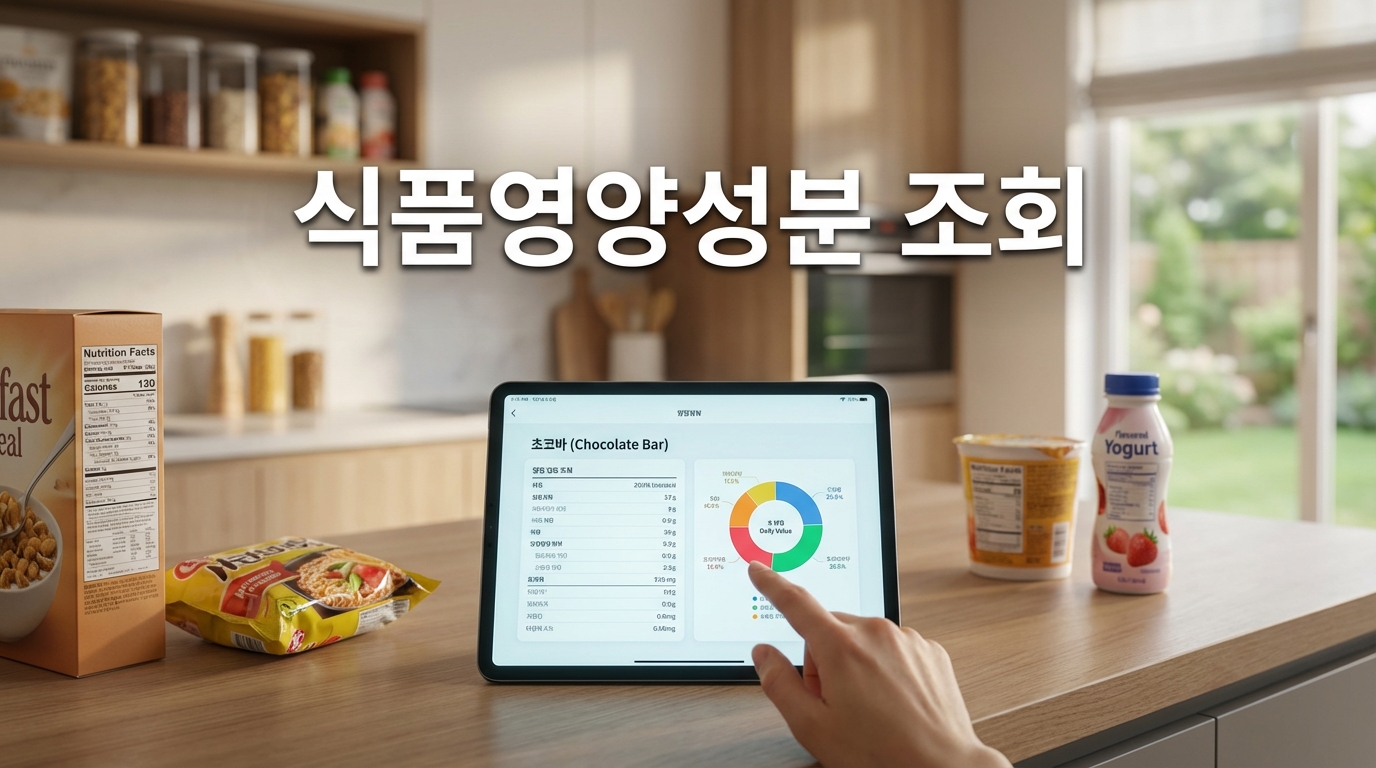
Food Nutrition Lookup Guide
What is the Food Nutrition Lookup?
The Food Nutrition Lookup is a service that allows you to search and review the nutritional composition of processed foods using the National Integrated Food Nutrition Information Database provided by the Ministry of Food and Drug Safety (MFDS) of South Korea. This comprehensive database contains detailed nutritional information for processed foods distributed in Korea, including energy (calories), carbohydrates, protein, fat, sodium, and other key nutrients. The database is updated monthly as each contributing agency registers new data that is consolidated and integrated. Understanding the exact nutritional composition of the foods you eat is essential for maintaining a healthy diet. This is especially valuable if you have specific health goals such as weight management, muscle building, or managing chronic conditions like diabetes or hypertension. The MFDS database includes both representative food items (general average nutritional values for a food category) and commercial products (actual branded products on the market), giving you access to both general nutritional references and specific product-level information. The database covers a wide range of processed food categories including noodles, dairy products, beverages, confectionery, bread, sauces, frozen foods, and health functional foods, making it easy to look up nutritional details for foods you consume daily.
How to Use
Using the Food Nutrition Lookup is straightforward. Start by entering the name of the food you want to search for in the search field. For example, entering general terms like 'ramen', 'milk', 'tofu', or 'kimchi' will return all foods containing that name. For more precise results, enter specific product names like 'Shin Ramyun' or 'Seoul Milk Low Fat'. The optional manufacturer filter lets you narrow results to products from a specific company — for instance, searching for 'ramen' with manufacturer 'Nongshim' will show only Nongshim ramen products. Search results are displayed as individual cards, each showing the food name, manufacturer, category (such as noodles or dairy), and reference serving size (typically 100g). The four primary nutrients — calories, protein, fat, and carbohydrates — are visualized as colored bar graphs showing their percentage relative to daily recommended intake. Orange represents calories, blue represents protein, yellow represents fat, and green represents carbohydrates. Click 'Show Details' to expand and view additional nutrients including sugars, dietary fiber, sodium, saturated fat, trans fat, calcium, iron, and potassium, each with their daily intake percentage. When search results exceed 20 items, use the 'Load More' button to fetch additional results. The display shows both the current count and total available results.
Nutritional Standards and Daily Recommended Intake
The daily intake percentages (%) displayed in this service are calculated based on the 2020 Korean Dietary Reference Intakes (KDRIs), jointly established by the Ministry of Health and Welfare and the Korean Nutrition Society as the official nutritional standards for maintaining health and preventing disease in the Korean population. The key daily recommended values for adults are as follows: Energy at 2,000 kcal represents the average daily energy requirement for adults, and proportions of other nutrients are set relative to this baseline. Protein at 55g is the minimum required for maintaining body weight and muscle synthesis. Fat at 54g represents approximately 30% of total energy, with saturated fat limited to 18g (8% of energy) and trans fat to 2.2g (1% of energy). Carbohydrates at 324g account for approximately 65% of total energy. Sugars are recommended to stay below 100g (10% of total energy) per WHO guidelines. Dietary fiber at 25g supports digestive health and blood sugar regulation. Sodium at 2,300mg is the chronic disease risk reduction intake level, slightly higher than the WHO recommendation of 2,000mg. Calcium at 800mg, iron at 12mg, and potassium at 3,500mg are essential minerals for bone health, anemia prevention, and blood pressure regulation respectively. The daily intake percentage formula is: (nutrient content of the food ÷ daily recommended value) × 100. Note that these standards are based on general adult averages and individual requirements may vary based on sex, age, pregnancy status, activity level, and health conditions.
Tips for Healthy Food Selection
Here are key considerations for making healthier food choices using nutritional information. First, always check sodium content. The average Korean adult consumes approximately 3,200mg of sodium daily, far exceeding the WHO recommendation of 2,000mg. A single serving of ramen can contain 1,500-1,900mg of sodium, so consider leaving broth behind or choosing low-sodium alternatives. Managing total sodium intake across all meals and snacks throughout the day is crucial. Second, watch for sugars and saturated fat. Excessive sugar intake contributes to obesity and diabetes, while high saturated fat raises LDL cholesterol and increases cardiovascular disease risk. When purchasing processed foods, look for 'low sugar', 'fat-free', or 'light' labels, and compare sugar and saturated fat content between similar products. Third, compare protein content. Even among the same type of food, protein content can vary significantly between products. If you're seeking high-protein foods for exercise or health management, compare the protein bar graphs across search results to identify the best options. Fourth, pay attention to serving size. Most nutritional data is presented per 100g, but actual consumption amounts may differ. For example, a serving of packaged fried ramen is about 120g, so multiply the 100g values by 1.2 to estimate actual nutrient intake. Fifth, check trans fat content. Trans fat raises bad (LDL) cholesterol while lowering good (HDL) cholesterol, making it a major cardiovascular risk factor. Choose products with 0g trans fat whenever possible. Sixth, consider dietary fiber content. Dietary fiber increases satiety, moderates blood sugar rises, and promotes digestive health. Most Koreans consume less fiber than the recommended 25g, so prioritizing fiber-rich processed foods is beneficial.
Frequently Asked Questions
Related Calculators
BMI Calculator
Price Lookup by Item
Gas Station Price Lookup
Electricity Bill Calculator
Waste Disposal Info
Nearby Gas Station Map
Car Sharing Zone Lookup
Holiday & Anniversary Calendar
Clock / Stopwatch / World Clock
Postal Code Search
Population & Household Statistics
Public Service (Government Benefits) Lookup
My IP Address
Recipe Lookup
Text Extractor
Regional Job & Business Announcements