Waste Disposal Info
Look up waste disposal methods, days, and times by region.
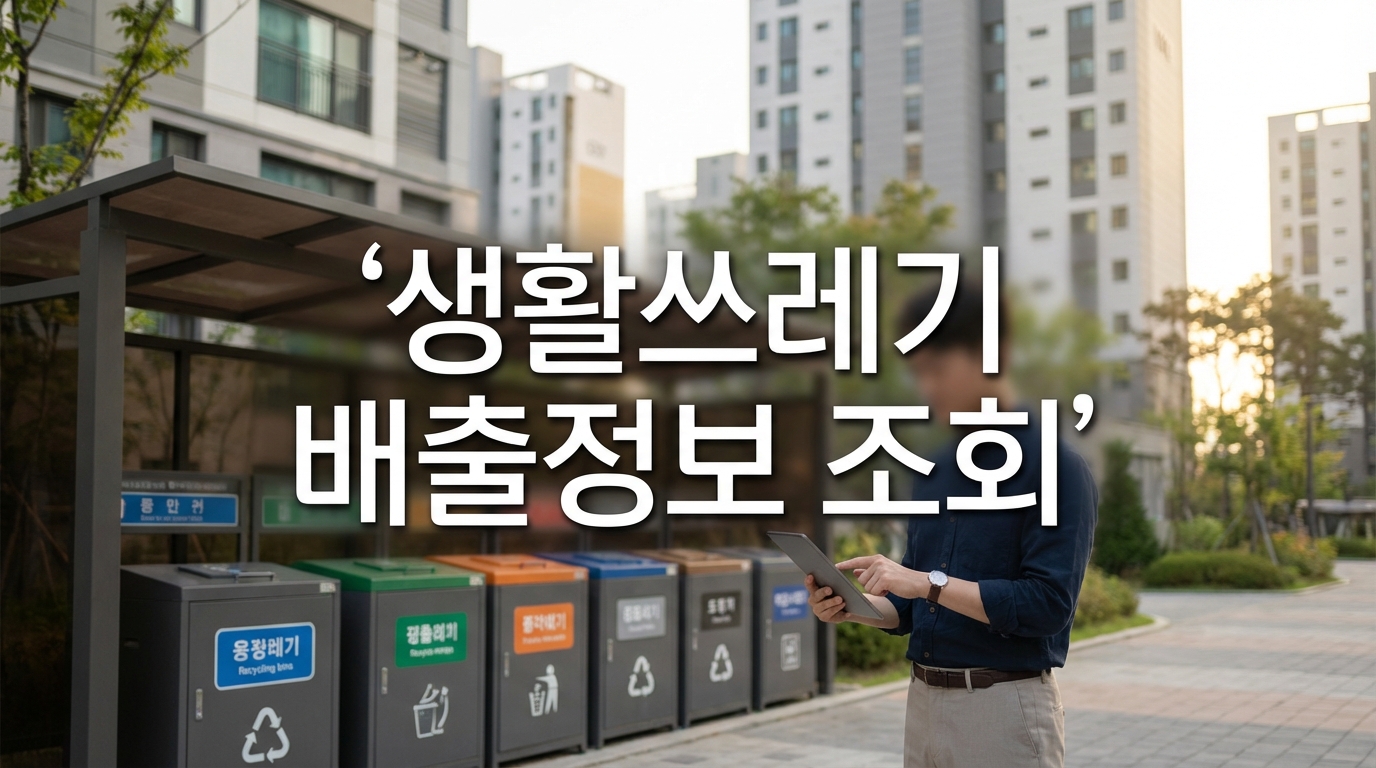
Waste Disposal Info Guide
What is Waste Disposal Info?
The Waste Disposal Info service is a comprehensive lookup tool that provides region-specific household waste disposal guidelines for locations throughout South Korea. Powered by the official Household Waste Disposal Information API from the Ministry of the Interior and Safety, this service gives residents accurate, up-to-date information about when, where, and how to dispose of different types of waste in their specific neighborhood. South Korea has one of the most sophisticated waste management systems in the world, with strict separation requirements and designated disposal schedules that vary significantly by region. What is acceptable in one district may not be in another, and disposal days and times can differ even between neighborhoods within the same district. This tool eliminates confusion by providing the exact rules for your area, including designated disposal days and hours for household waste, food waste, and recyclables, as well as the managing department's contact information. Proper waste disposal is not just a civic responsibility — it is legally enforced, with fines for violations ranging from 100,000 to 1,000,000 KRW. Using this tool helps you stay compliant and contributes to Korea's impressive recycling rates, which are among the highest in the world.
How to use
Step 1: Select your city or province from the dropdown menu. This narrows the search to your metropolitan area or province, such as Seoul, Busan, Gyeonggi-do, etc.
Step 2: Optionally enter your district name for more specific results. For example, entering 'Gangnam-gu' within Seoul will show waste disposal rules specific to the Gangnam district. If you leave this field blank, results for all districts within the selected city/province will be displayed.
Step 3: Click the Search button. The system queries the Ministry of the Interior and Safety's database and returns matching results.
Step 4: Review the detailed results. Each result entry includes: the management zone name, disposal location type and address, designated disposal days and times for household waste, food waste, and recyclables, and the responsible department with contact phone number.
Step 5: Pay special attention to the disposal time windows. Most areas have strict time requirements (for example, sunset to midnight, or 6 PM to midnight) and disposing waste outside these windows can result in fines.
Step 6: Note the contact phone number for the managing department. If you have questions about specific items, bulky waste disposal, or unusual circumstances, this department can provide authoritative guidance.
Tip: Bookmark or screenshot the results for your area so you have the information readily available on disposal days without needing to look it up each time.
Disposal Information
South Korea's waste disposal system categorizes waste into several types, each with specific handling requirements:
Household Waste:
- Must be placed in government-designated volume-based bags
- Bags are sold at convenience stores, supermarkets, and district offices
- Sizes typically range from 5L to 100L, with prices varying by district
- Only non-recyclable, non-food waste goes in these bags
- Common items: tissues, broken ceramics, vinyl/plastic that cannot be recycled
Food Waste:
- Disposed in dedicated food waste bags or RFID-enabled collection containers
- Some areas use communal collection bins with electronic weighing systems
- Food waste is composted or converted to animal feed, so contamination must be avoided
- Items that are NOT food waste: bones, shellfish shells, nut shells, fruit pits/seeds, eggshells, tea leaves, herbal medicine residue, corn husks
Recyclables:
- Must be rinsed, sorted, and placed in transparent bags or mesh nets
- Categories: paper, cardboard, PET bottles, plastic containers, cans, glass bottles, Styrofoam, vinyl/film
- Labels should be removed from bottles when possible
- Cardboard boxes should be flattened
Bulky Waste:
- Furniture, mattresses, large appliances, etc.
- Must be reported in advance to district office (online or by phone)
- A disposal fee sticker must be purchased and attached
- Fees vary by item and size (typically 1,000-50,000 KRW)
- Item must be placed at the designated spot on the scheduled collection day
E-Waste and Appliances:
- Large appliances (TV, refrigerator, washing machine, AC) can be collected for free through the manufacturer or KEPCO recycling program
- Small electronics can be dropped off at designated collection points
Useful tips
Disposal timing is critical and strictly enforced. Most districts require waste to be placed out during a specific evening window, typically from sunset (or 6 PM) until midnight. Putting waste out too early (during daytime) or too late (after midnight) can attract fines. In apartment complexes, the waste collection area may have different rules — check with your building management office.
Volume-based waste bags are not interchangeable between districts. A bag purchased in Gangnam-gu cannot be used in Mapo-gu. If you move, you will need to buy new bags for your new district. Leftover bags from your old district cannot be returned for a refund, so buy in reasonable quantities.
Maximize your recycling to minimize waste bag costs. Many items that people habitually throw in the general waste bag are actually recyclable: clean plastic containers, milk cartons (rinse and flatten), paper cups (separate the plastic coating if possible), and even some types of vinyl packaging. The less you put in the paid volume-based bags, the more money you save.
Food waste can be reduced at the source. Korea's food waste system charges by volume or weight in many areas (through RFID-measured communal bins). Planning meals to reduce leftovers, composting at home if possible, and properly draining water from food waste before disposal all help reduce costs and environmental impact.
Holiday collection schedules change. During major holidays like Seollal (Lunar New Year) and Chuseok, regular waste collection is typically suspended for 2-3 days. Dispose of perishable waste before the holiday period begins, and check with your district office for the modified collection schedule.
For items you are unsure about, call the managing department listed in the search results. Common points of confusion include: which plastics are recyclable (check the recycling symbol number), how to dispose of cooking oil (bring to community collection points, do not pour down the drain), and how to handle small furniture items (some districts accept them in large volume-based bags, others require bulky waste reporting).
Apartment residents should check whether their complex has separate recycling guidelines. Many large apartment complexes have dedicated recycling sorting areas with specific rules that may differ slightly from the general district guidelines.
FAQ
Related Calculators
BMI Calculator
Price Lookup by Item
Gas Station Price Lookup
Electricity Bill Calculator
Nearby Gas Station Map
Car Sharing Zone Lookup
Holiday & Anniversary Calendar
Clock / Stopwatch / World Clock
Postal Code Search
Food Nutrition Lookup
Population & Household Statistics
Public Service (Government Benefits) Lookup
My IP Address
Recipe Lookup
Text Extractor
Regional Job & Business Announcements